The online gambling scene changes fast. New casinos pop up almost every week, each one asserting to offer something more information innovative than the sites that have been around for years. If you are reviewing Golden Tiger Casino, what actually makes a platform „new” runs deeper than just its launch date. A modern casino site combines updated technology, redesigned user interfaces, recent game libraries, and payment systems that match how people bank today. The label itself gets tricky because some new casinos are created from scratch by startups, while others are relaunched versions of older operations or fresh brands introduced by experienced operators who have operated in the business for decades. This article details every layer of what new online casinos actually deliver, how they stand apart from older sites, and which factors reveal whether a newcomer is deserving of attention or warrants care. You will learn how licensing works, why game selection has evolved, what bonus structures actually signify, and how payments and mobile access function in the current generation of casino platforms.
What Defines a New Online Casino in Real Terms
The phrase „new online casino” carries several separate meanings, and players should differentiate them before signing up. In the most literal sense, it refers to a gambling website that launched its virtual doors within the last twelve to eighteen months. These platforms usually run on recently released software architectures, load faster on mobile devices, and showcase visual designs that match current web standards rather than layouts from five or ten years ago. But industry insiders also employ the term for established casinos that have undergone complete overhauls, swapping out their game engines, payment processors, and front-end design in one sweeping update. A third category encompasses brands that are new to a specific market but belong to a parent company with a long track record elsewhere, bringing operational experience into a fresh regional presence. For someone evaluating Golden Tiger Casino, this distinction counts. A genuinely new platform built on modern infrastructure offers faster withdrawals, fewer compatibility headaches, and a game library curated for what players want today rather than a backlog of outdated titles that few people still open.
The underlying tech underneath a new casino tells you a lot about its priorities. Current platforms utilize HTML5 frameworks that bypass the need for browser plug-ins. Games load quickly across desktop and mobile, without Flash dependencies or clunky downloadable clients required. Back-end systems have also advanced. Many new casinos use cloud-based server architectures that adjust seamlessly during peak hours, minimizing the lag and disconnections that troubled older sites during major sporting events or busy weekend evenings. Player account management has moved to unified wallet systems where a single balance includes slots, table games, and live dealer tables without manual transfers between sections. These technical details seldom appear in marketing materials, but they influence the daily experience directly. A player who signs up at a casino running modern infrastructure observes smoother navigation, faster search functions, and real-time balance updates that older platforms sometimes fail to offer consistently across all devices and connection speeds.
The oversight framework governing new casinos has tightened considerably versus a decade ago. Whereas a gambling license was once considered as a formality, today’s new entrants must satisfy stricter anti-money laundering requirements, responsible gambling protocols, and data protection standards before they can accept their first deposit. This shift works in players’ favor since it eliminates operators unwilling to invest in compliance infrastructure. When examining any new casino, recognizing a recognized license and transparent ownership information indicates that the platform has passed scrutiny that less serious operations would not pass. The blend of modern technology, updated regulation, and player-centric design establishes a baseline expectation that separates genuinely new casinos from older sites that merely changed their logo and color scheme while running the same aging software underneath.
Loyalty Programs and Extended Player Worth
While welcome bonuses grab attention, the loyalty program determines the benefits a casino provides to players who stick around beyond their opening deposits. New casinos are increasingly structuring their rewards around multi-tier systems where players accumulate points through real-money wagering and advance through levels that reveal increasingly better perks. A typical structure might include five to seven tiers, with entry levels delivering basic cashback and birthday bonuses, mid-tiers adding faster withdrawals and higher deposit limits, and top tiers offering dedicated account managers, exclusive event invitations, and customized bonus offers. The earn rate for loyalty points varies by game category, with slots usually adding at one hundred percent while table games and video poker count at reduced rates due to their lower house edges. Players who divide their play across game types should understand how the point accumulation formula impacts their tier progression speed.
Cashback has emerged as a prominent loyalty feature at new casinos, providing players a percentage return on net losses over a defined period, typically figured on a weekly basis. Rates span from five percent at lower loyalty tiers to fifteen or twenty percent at the highest levels, usually granted as bonus funds with low or zero wagering requirements. This structure delivers a meaningful safety net for regular players while fostering continued engagement. Some new casinos have moved beyond the traditional points-and-tiers model toward achievement-based systems where players unlock rewards by finishing particular tasks, such as trying a certain number of new slot titles or achieving wagering milestones within a month. These gamified approaches resonate with players who view conventional loyalty programs predictable. Regardless of structure, the most player-friendly programs disclose their terms clearly, compute rewards automatically, and prevent point expiration without reasonable notice.
Welcome Offers and Bonus Structures Unpacked
Match Bonus Mechanics and Wagering Requirements
The welcome bonus acts as the most visible feature of any new online casino, but its actual value resides in the terms and conditions rather than the advertised percentage. A typical offer aligns a player’s first deposit by a certain percentage up to a stated maximum, often spread across the first several deposits instead of concentrated on one. The headline figure, be it one hundred percent or two hundred percent, matters less than the wagering requirement attached to it. This multiplier shows how many times the bonus amount, or occasionally the bonus plus deposit combined, has to be wagered before any winnings become withdrawable. Industry standards range between twenty-five and forty-five times the bonus amount, with figures above fifty times indicating significantly tougher conditions. A new casino offering a thirty-five times wagering requirement on a bonus-only basis offers a materially different proposition from one requiring forty times on the deposit plus bonus sum, even if both advertise the same match percentage. Players should also consider which games contribute to wagering and at what rate. Slots typically count fully while table games and live dealer play frequently contribute at reduced rates or not at all.
Free Spins, No Deposit Bonuses, and Time Limits
Free spins commonly accompany deposit match bonuses, at times awarded upfront and sometimes released in daily batches over a player’s first week. These spins generally apply to specific slot titles chosen by the casino, often new releases or popular games the operator wants to promote. Winnings from free spins nearly always carry wagering requirements of their own, and maximum cashout limits could cap the amount a player can withdraw from free spin winnings regardless of how much they accumulate. No-deposit bonuses, which grant a small amount of bonus cash or a handful of free spins merely for registering, appear more often at brand-new casinos trying to build their player base fast. These offers let players test the platform with zero financial commitment, but they always carry high wagering requirements and strict maximum withdrawal limits. Time limits represent another crucial variable: some casinos give players thirty days to meet wagering requirements, while others impose seven-day windows that demand aggressive play. Reading the full promotional terms before depositing prevents the frustration of discovering restrictions only when attempting to withdraw.
Support Service Standards and Service Channels
Support quality differentiates reputable new casinos from ones that view player support as an expense to reduce. Top platforms offer round-the-clock live chat with response times in seconds instead of minutes, manned by support staff who can fix account problems, explain bonus terms, and escalate technical problems without routing the player across many divisions. Email service acts as the avenue for document uploads and complex inquiries that require investigation, with replies within twelve hours being an acceptable benchmark. Voice support has become less common at fresh casinos, supplanted by live chat and comprehensive help centers, though some platforms maintain phone lines for premium customers or specific regions. The help desk itself merits review: a structured information library with queryable posts regarding deposits, offers, technical requirements, and responsible gambling tools signals a company that predicts user queries rather than forcing every inquiry through a support queue.
Multilingual support matters enormously for a worldwide customer group. Operators pursuing worldwide players typically support at least five to ten languages, not just in their marketing materials but across the entire site layout, gameplay instructions, and assistance conversations. The difference between localized ads and full-scale adaptation grows evident when a player encounters an error message, a declined transaction, or a promotion limitation. Platforms that have invested in proper localization clarify these scenarios in the customer’s language with contextually relevant cases and fixes. Agent competence differs greatly, and leading new operators use dedicated staff rather than outsourcing to third-party call centers with standardized templates. Customers can evaluate assistance early on by raising a targeted issue about betting rules or payout restrictions via chat support prior to funding, observing both the reply speed and whether the staffer offers a lucid, exact reply instead of a generic policy snippet.
Licensing and Safety in Recently Launched Casinos
Every reputable online casino functions under a gambling license provided by a regulatory body, and the pick of jurisdiction reveals an informed player a great deal about what to expect. New casinos usually seek licensing from recognized authorities such as the Malta Gaming Authority, the Kahnawake Gaming Commission, the United Kingdom Gambling Commission, or the Government of Curacao. Each regulator applies different requirements around player fund segregation, dispute resolution procedures, and technical audits of random number generators. A new platform that chooses a tier-one jurisdiction shows a willingness to submit to regular inspections and maintain substantial cash reserves to cover player balances. For someone visiting Golden Tiger Casino, the licensing information usually appears at the bottom of the homepage. Clicking through to verify the license number on the regulator’s official website provides an instant authenticity check that costs nothing but gives significant peace of mind.
Security systems in new casinos benefits from improvements that older platforms at times adapt clumsily. Modern platforms deploy with TLS 1.3 encryption as standard, protecting all data transmitted between the player’s device and the casino servers at a level that meets current banking industry standards. Two-factor authentication has moved from an optional extra to a widely available feature, enabling players add a second verification step via authenticator apps or SMS codes. New casinos also progressively structure their databases so that sensitive personal information sits in encrypted silos separate from gameplay data, reducing exposure even in the unlikely event of a breach. These measures function unnoticed, but they represent a meaningful upgrade from platforms built when online security practices were less rigorous. Players who focus on data protection should seek out explicit mentions of encryption standards and independent security certifications on the casino’s information pages. Their presence signals a security-first approach rather than a compliance-minimum mindset.
Safe gambling features have become a defining feature of well-designed new casinos, reflecting both regulatory demands and genuine operator commitment to player welfare. Contemporary platforms offer deposit limits settable daily, weekly, or monthly, loss limits that limit net losses over specific periods, session time reminders that pop up after fixed periods, and self-exclusion options spanning from short cooling-off breaks to permanent account closure. The best implementations make these controls available directly from the account dashboard rather than placing them in terms and conditions pages. Reality check features that display time spent playing and net position have also become standard. These tools do not hinder recreational play, but they provide crucial guardrails for anyone who wants to preserve strict control over their gambling activity. A new casino that commits to comprehensive responsible gambling features demonstrates operational maturity that goes beyond flashy promotions.
Payment Methods and Withdrawal Handling at Contemporary Casinos
The payment landscape at fresh online casinos mirrors wider changes in personal banking, with classic methods now coexisting with digital alternatives that hardly existed five years ago. Credit and debit cards remain widely accepted, with Visa and Mastercard handling deposits in real time in the majority of regions. Bank remittances remain for large transactions but generally entail longer processing times. The significant transformation has been the growth of e-wallets such as Skrill, Neteller, and ecoPayz, which function as middlemen between the player’s bank and the casino, providing quicker payout times and an additional privacy layer. Prepaid tokens like Paysafecard permit currency deposits without disclosing any banking details with the casino, appealing to gamblers who emphasize anonymity. The most recent additions to the banking selection feature cryptocurrencies in regions where governing bodies permit them, along with real-time bank transfer options like Trustly and Interac that interface directly to online banking portals without demanding individual accounts.
Payout speed has become a competitive battleground among fresh casinos, with payout durations now a major differentiator. The internal assessment window, during which the casino confirms the cashout request and executes mandatory security verifications, generally extends from a few hours to forty-eight hours. After approval, the effective transfer period relies on the preferred method: digital wallets often provide funds within hours, while wire transfers and card withdrawals can take three to five business days. New casinos that have adopted automated validation systems can execute cashouts faster than those relying on manual reviews. The KYC process, which demands players to provide identification documents before their first cashout, has also been streamlined at contemporary platforms through automated ID scanning technology that checks ID cards, driver’s licenses, and service bills within minutes rather than days. Users should fulfill this confirmation in advance after enrollment to sidestep hold-ups when they submit their first withdrawal.
Casino Portfolios and Studio Partners at Modern Casinos
The Mechanics of Game Aggregation
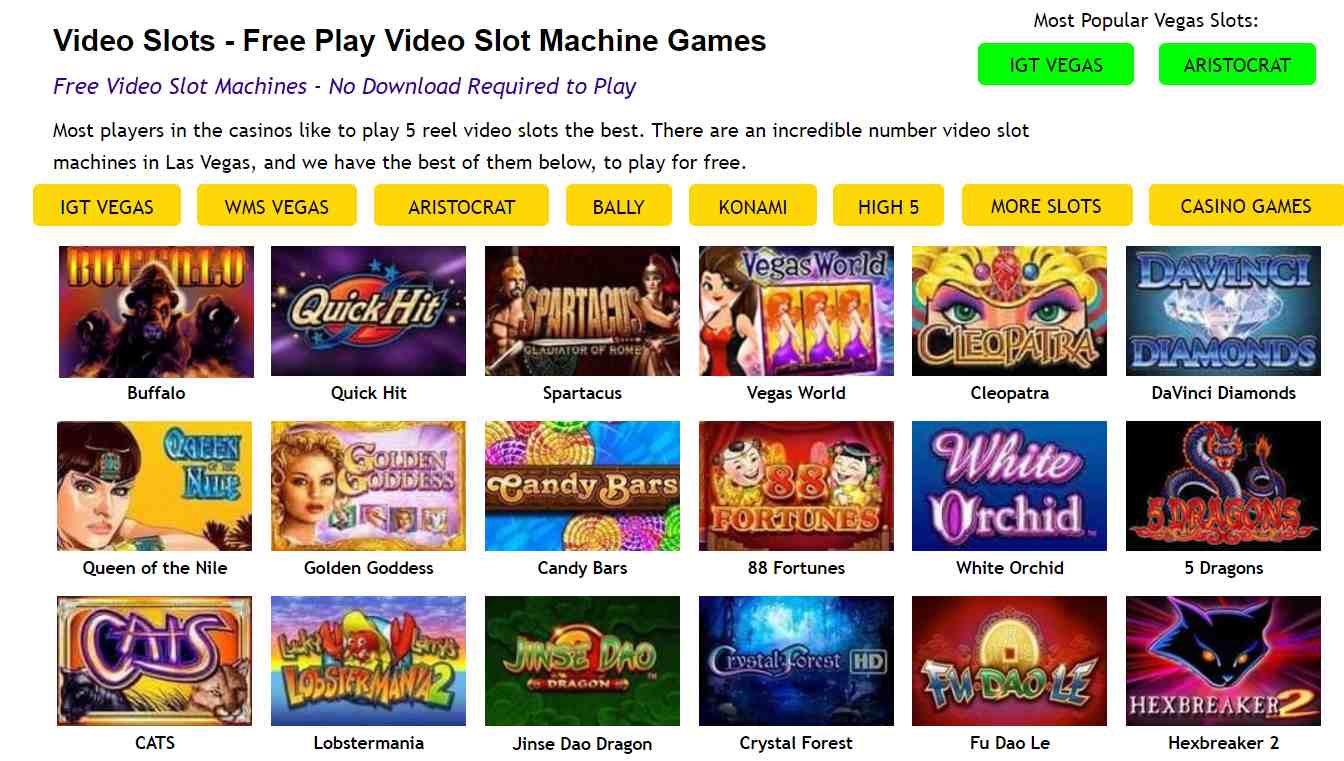
The game lobby of a fresh online casino is rarely constructed through direct partnerships with many individual developers. Rather, most platforms work with game aggregators, entities that manage integration pathways to many developers and deliver their full catalogs through a single technical connection. This strategy enables a new casino launch with thousands of games on day one while managing only a few commercial agreements. Leading aggregators include SoftSwiss, Relax Gaming, and EveryMatrix, each offering distinct studio selections and integration capabilities. For the user, the aggregator model signifies that a fresh casino can provide slots from NetEnt, Pragmatic Play, Play’n GO, and Evolution Gaming alongside niche studios without the site having to negotiate and verify each connection individually. The disadvantage is that some aggregator deals include outdated game builds or restricted regional access, so a game shown in the lobby may not be playable from all countries. Reviewing the true game catalog after sign-up gives a clearer picture than depending on the brand logos displayed on the landing page.
Slot, Table Game, and Live Dealer Categories
Slots account for the game selection at almost all new casinos, often totaling in the hundreds, but quantity alone reveals little about standards. Contemporary slot design has split into different categories that appeal to different player preferences. Volatile slots from studios like Nolimit City and Hacksaw Gaming provide maximum win potentials exceeding ten thousand times the stake, appealing to players who accept lengthy dry periods in exchange for huge payout potential. Low and medium-volatility titles from studios such as Pragmatic Play and Play’n GO provide more consistent but lower payouts, fitting extended recreational sessions. The availability of Megaways systems, cluster pays systems, and hold-and-win bonuses adds variety to the slot collection. Table game areas at fresh casinos commonly offer various blackjack games, both European and American roulette, baccarat, and casino poker games like Caribbean Stud and Three Card Poker. The live dealer segment has grown beyond traditional roulette and blackjack to offer show-style games such as Crazy Time and Monopoly Live, along with dedicated tables offering local-language dealers for certain language segments.
Networked Jackpots and Networked Prizes
Progressive jackpot networks link hundreds or thousands of machines across multiple casinos, with a small percentage of every wager going into a shared prize pool that can reach seven or eight figures before someone wins. New casinos often incorporate these networks from launch, showcasing titles like Mega Moolah, WowPot, and Age of the Gods that have delivered some of the largest online slot payouts in history. The mechanics diverge between networks: some jackpots fire randomly on any spin regardless of bet size, while others need players to land specific symbol combinations or enter bonus rounds. The random-trigger models tend to award more frequently but at lower average amounts, whereas the combination-based jackpots increase larger between wins. Players should understand that progressive jackpot slots typically feature lower base-game return-to-player percentages than standard slots because a portion of each wager finances the progressive pool. This trade-off makes them a distinct product category rather than simply upgraded versions of regular slot games.
How to Evaluate a New Casino Prior to Registration
The decision to sign up at a new online casino needs to follow a systematic check as opposed to an impulse click on an advertisement. Start with the licensing footer: confirm that the casino displays a valid license number from a recognized regulator and cross-check that number on the regulator’s official website. This single step filters out the most problematic operators. Next, examine the terms and conditions page for withdrawal policies, specifically searching for maximum cashout limits, processing timeframes, and any fees attached to particular payment methods. A casino that applies weekly withdrawal caps of a few thousand dollars or imposes processing fees on e-wallet payouts signals restrictions that will count when a player wins. The bonus terms page merits equal attention, with emphasis on wagering requirements, game contribution rates, and any maximum bet rules during bonus play that could void winnings if exceeded.
Player reviews and forum discussions provide real-world intelligence that official casino pages are unable to give. Hunting for a casino’s name alongside terms like „withdrawal time,” „verification,” and „support” reveals patterns that individual reviews might miss. A handful of complaints about slow payments is standard for any busy operation, but dozens of unresolved threads about withheld funds or unresponsive support indicate systemic problems. Independent audit reports from testing agencies like eCOGRA or iTech Labs confirm that a casino’s games run fairly and that published return-to-player percentages match actual performance. These certifications usually appear as clickable seals in the website footer, directing to the testing agency’s site where the current certificate can be verified. Finally, test the platform with a minimum deposit before pledging significant funds. A small initial deposit enables you to experience the registration process, game performance, and withdrawal procedure firsthand while endangering only an amount you are losing losing if the casino fails to meet expectations.
Mobile Accessibility and Multi-Device Compatibility
Fresh online casinos launch into a market where mobile devices generate the majority of gambling traffic, and their platforms reflect this reality from the ground up. Instead of designing for desktop and then adapting for smaller screens, current casino websites use responsive design principles that serve the same underlying code to all devices while rearranging layout elements based on screen dimensions. The result is a uniform experience whether a player opens the site on a desktop monitor, a tablet in landscape orientation, or a smartphone held vertically. Navigation menus fold into hamburger icons on small screens, game tiles resize and reflow automatically, and the cashier interface adapts to touch inputs rather than assuming mouse clicks. This approach removes the need for a separate mobile app unless the player prefers one, though many new casinos also present dedicated iOS and Android applications that deliver push notifications and biometric login options.
Game performance on mobile devices relies heavily on how the casino’s software partners have optimized their titles. HTML5 slots from major developers run smoothly on devices released within the last several years, with touch-friendly spin buttons, swipeable game lobbies, and readable text sizes. Live dealer games have also upgraded their mobile presentations, with stream quality adjusting automatically to connection speed and interfaces that bleacherreport.com overlay betting options without obscuring the table view. The main limitation players encounter on mobile involves older slot titles originally built in Flash and later converted to HTML5, sometimes resulting in smaller touch targets or awkward landscape-only orientations. New casinos that choose their libraries with mobile-first titles sidestep these issues. Testing a casino’s mobile experience requires no deposit: simply visiting the site on a phone, browsing the game lobby, and loading a few titles in demo mode uncovers whether the platform genuinely delivers on its mobile promises or treats small screens as an afterthought.
FAQ
What is the distinction between a new online casino and an well-known one?
A fresh online casino usually launches with modern technology, updated game libraries, and modern payment integrations, while well-known casinos could run on outdated infrastructure that has been fixed over time. New platforms frequently offer more competitive welcome bonuses to lure players, but well-known casinos offer longer track records of reliable payouts and customer service. The decision hinges on whether a player prefers cutting-edge features or established operational history.
How can a player verify that a new casino is properly licensed?

The license information shows up in the website footer, presenting the regulatory body name and a license number. A player ought to visit the regulator’s official website and use their license verification tool to confirm the number is valid and matches the casino brand. Legitimate regulators maintain public registers that display license status, the registered company name, and any disciplinary actions. A missing or unverifiable license number is a warning sign.
Why do wagering requirements matter more than the bonus percentage?

A high match percentage looks attractive, but wagering requirements decide whether a player can practically convert bonus funds into withdrawable cash. A 200% bonus with a 50x wagering requirement can be harder to clear than a single bonus at thirty times. The requirement scales the amount that must be wagered before withdrawal, and high multipliers frequently exhaust the bonus balance before completion, rendering the headline percentage meaningless in practical terms.
Do all new casinos enable mobile play without an app?
The majority of new casinos use responsive web design that adjusts automatically to mobile browsers, eliminating the need for a dedicated app. Players can access the full game library, make deposits, request withdrawals, and contact support directly through their phone’s browser. Some casinos also present optional iOS and Android apps with additional features like push notifications, but the browser-based experience typically provides complete functionality for players who opt not to install software.
Which payment methods do new online casinos usually accept?
Credit and debit cards , e-wallets like Skrill and Neteller, prepaid vouchers such as Paysafecard, and bank transfers make up the standard payment mix. Many new casinos also incorporate instant bank transfer services and, in permitted jurisdictions, cryptocurrency options. Deposit processing is commonly instant across all methods, while withdrawal speed varies: e-wallets often deliver within hours, card withdrawals take several business days, and bank transfers may require up to five business days after approval.
Do progressive jackpots at new casinos linked to larger networks?
Yes, most progressive jackpots at new casinos tie into networks that span multiple operators, allowing prize pools to increase rapidly across thousands of players. Titles like Mega Moolah and WowPot operate on such networks, with jackpots triggered randomly or through special bonus rounds. The networked structure ensures a player at a brand-new casino has the same chance of hitting a multi-million-dollar jackpot as someone playing at a decades-old platform offering the same title.
Which should a player examine in the terms and conditions before depositing?
Key items include wagering requirements on bonuses, game contribution percentages toward those requirements, maximum bet limits during bonus play, withdrawal processing times and any associated fees, maximum cashout limits on bonus winnings, and country restrictions that might affect eligibility. The withdrawal policy section reveals whether the casino imposes weekly or monthly caps that could delay large payouts. Reading these terms before depositing prevents misunderstandings when attempting to cash out winnings.